
Detailed Breakdown of the Payroll Deceleration
The latest employment summary reveals an abrupt cooling across the United States labor market, with nonfarm payrolls expanding by only 29,000 positions. This figure marks one of the lowest monthly job expansion prints in recent quarters, reflecting broad-based hiring caution among private sector enterprises facing elevated financing rates and selective capital deployment.
Sector-level data demonstrates pronounced softness in manufacturing, construction contracting, and professional business services. In contrast, healthcare systems and public educational institutions accounted for the majority of net employment additions, highlighting an increasingly segmented labor backdrop where non-cyclical employers drive headline volume.
Underlying Factors Driving the 4.2% Unemployment Threshold
The household survey documented a 20 basis point increase in the national unemployment rate, settling at 4.2 percent. Multiple macroeconomic dynamics contributed to this adjustment in labor slack:
- Moderated job openings across commercial service firms leading to extended job-seeking periods.
- Cautious contingent and temporary staffing budgets among enterprise technology and logistics companies.
- Stable labor force participation at 62.7%, ensuring that rising entrants register directly in unemployment counts.
- Selective headcount consolidation within consumer discretionary sectors following inventory realignments.
Average hourly earnings rose 0.3 percent on a monthly basis, bringing the annual compensation growth rate to 3.8 percent. While wage growth remains resilient, the gradual tapering supports ongoing disinflationary progress throughout the domestic economy.
Interest Rate Implications and Market Reactions
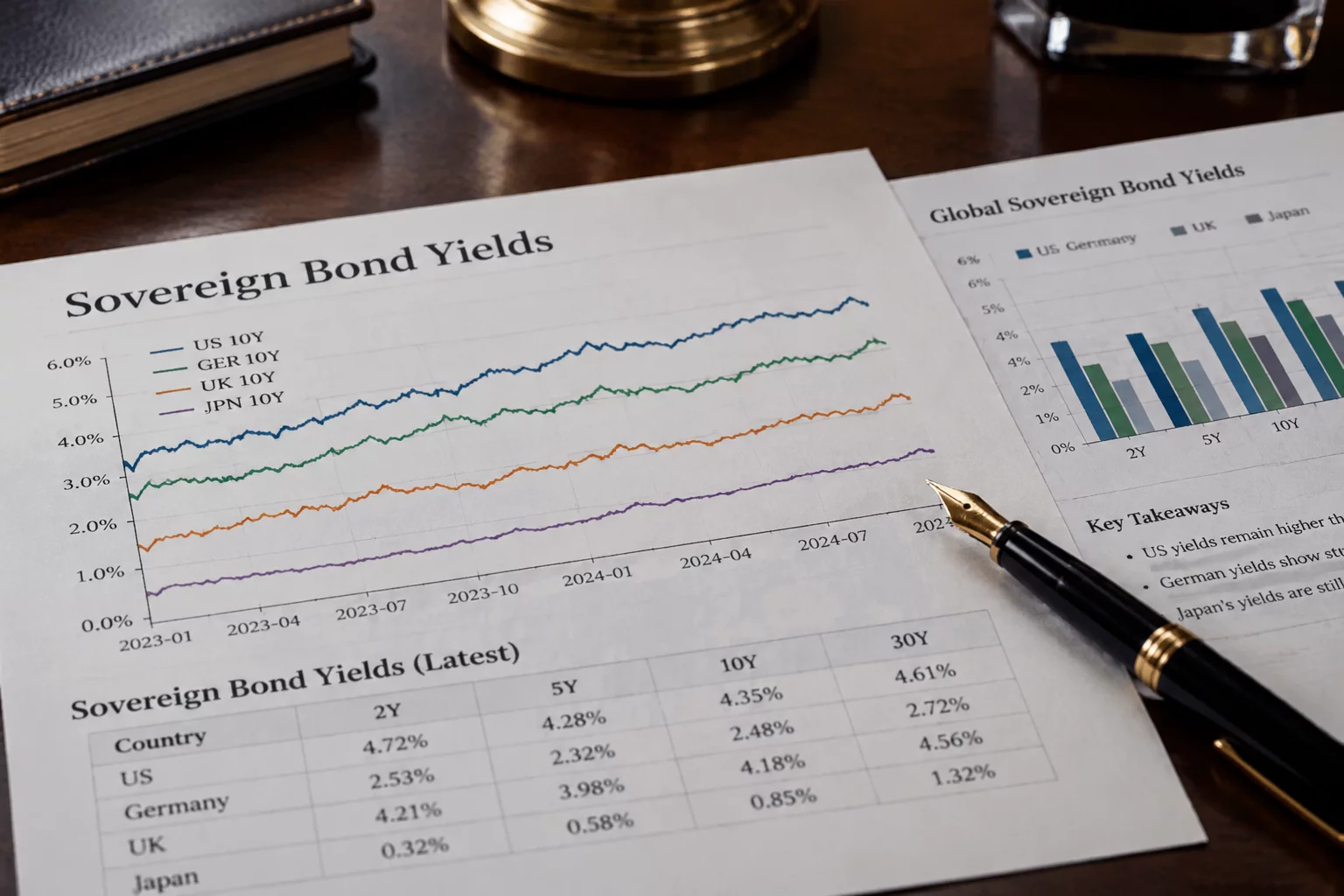
Financial markets adjusted quickly to the labor report, with short-term sovereign bond yields easing as market participants factored in higher odds of recalibrated policy paths by central bank officials. The combination of modest hiring and a tick upward in the unemployment rate suggests that interest rate restraint is exerting its intended cooling effect on aggregate domestic demand.
Institutional portfolio strategists are closely evaluating corporate margin outlooks and consumer discretionary balance sheets. As macroeconomic indicators continue to normalize, attention shifts toward the upcoming retail sales and quarterly earnings announcements to measure underlying economic resilience.


Robert H.
Market Observer • September 18, 2026A slowdown in job additions could signal a cooling economy.