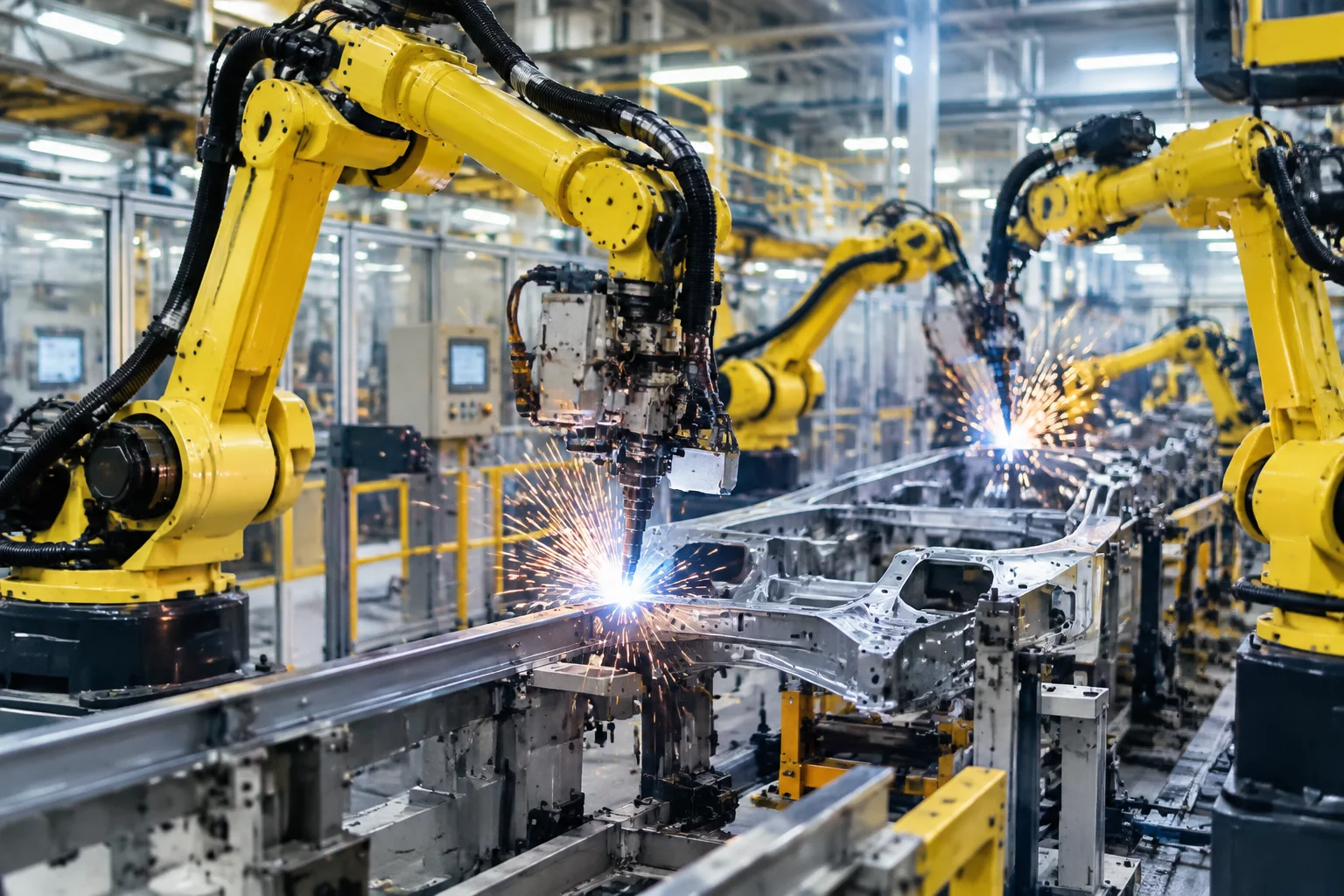
Manufacturing Activity Accelerates to Four-Year High
The Institute for Supply Management (ISM) reported that its Manufacturing Purchasing Managers' Index (PMI) registered 55.6 percent in July 2026, up significantly from 52.4 percent in June. This marked the strongest expansion in American factory activity since May 2022, soundly beating consensus forecasts of 52.8 percent and demonstrating solid momentum across capital goods, high-tech hardware, and automotive production.
Readings above the 50-percent threshold signify expansion in the manufacturing sector, which accounts for approximately 10.3 percent of total US gross domestic product. Twelve of the eighteen manufacturing industries surveyed reported growth in July, led by electrical equipment, transportation machinery, chemical products, and fabricated metal components.
Historical Benchmark Milestone
At 55.6 percent, the overall manufacturing index has now remained in expansion territory for six consecutive months, reflecting sustained recovery following the prolonged destocking cycle of late 2024 and 2025.
Sub-Index Breakdown: New Orders and Production Drive Surge
The acceleration was primarily propelled by the New Orders Index, which jumped 4.8 percentage points to 58.4 percent, recording its fastest rate of expansion in 42 months. Survey respondents cited resilient domestic commercial demand, renewed aerospace procurement contracts, and expanding inventory replenishment programs across industrial distributors.
Simultaneously, the Production Index surged to 57.9 percent, indicating that factory floors are operating at elevated capacity utilization rates to satisfy order backlogs. The Backlog of Orders Index advanced to 52.8 percent, entering expansion territory for the first time in ten quarters.
Employment Index at 53.1%
Manufacturing payrolls expanded for the second straight month, as durable goods producers added shifts and specialized technicians to meet rising backlogs.
Delivery Lead Times at 54.2%
Higher index readings reflect slower delivery schedules, indicating that vendor capacity is tightening in response to accelerating industrial volume.
Supply Chain Dynamics and Input Price Pressures
While volume indicators demonstrated clear vigor, purchasing managers highlighted emerging friction points across global freight lanes and key commodity inputs:
- The Prices Paid Index edged higher to 56.7 percent, driven by firming prices in refined metals, industrial chemicals, and electrical sub-assemblies.
- Raw materials inventories contracted slightly to 48.9 percent, suggesting that manufacturers are maintaining lean storage while prioritizing rapid throughput.
- Export orders expanded to 53.2 percent, supported by steady capital goods purchases from North American trade partners and emerging market infrastructure projects.
- Imports index settled at 52.0 percent as manufacturers secured specialized microelectronics and industrial fasteners from overseas supply hubs.
Key Supply Chain Takeaway
Factory lead times for electrical components lengthened to an average of 72 days, prompting corporate treasurers to lock in long-term procurement agreements.
Broader Economic Outlook and Policy Considerations
The unexpected surge in the ISM Manufacturing PMI reinforces the resilient backdrop of the broader US economy. While rising input prices warrant careful monitoring by Federal Reserve officials evaluating monetary easing schedules, the robust expansion in employment and factory orders signals underlying strength in domestic productive capacity heading into the second half of 2026.
Analyst & Market Discussions
Join verified dialogue and corporate perspective on this development.
Richard F.
Senior Market Analyst • 08/08/2026Highest point since May 2022, a solid indicator for the manufacturing sector.
Edward J.
Specialty DeskEmployment expansion in manufacturing is a positive sign for the broader economy.
Submit Institutional Perspective
Commentary is verified prior to index inclusion. All submissions must maintain analytical decorum.